
The Race to Build Human-Like Robots Is Accelerating Worldwide
The global race to build humanoid robots is accelerating, but AI, cost, safety and reliability remain major barriers to widespread use.
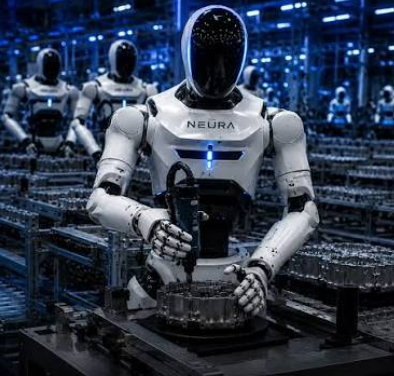
The global race to build humanoid robots is accelerating, but AI, cost, safety and reliability remain major barriers to widespread use.

Apple is reportedly preparing AI-powered smart glasses for 2027. A fast-growing category offers opportunity, but privacy, usefulness, pricing and dependence on the iPhone will determine whether it becomes mainstream.
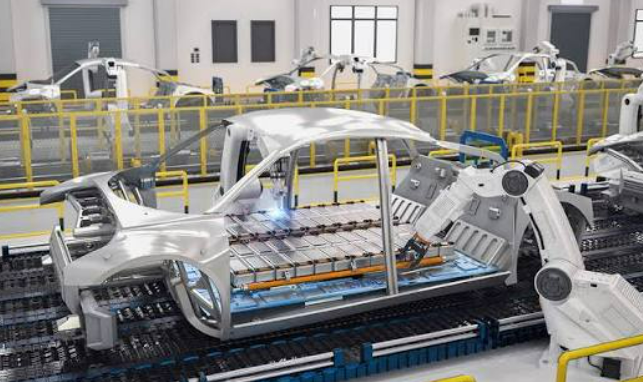
Europe must decide how quickly to localise electric-vehicle battery supply chains without making EVs less affordable. China’s cost and technology lead complicates the EU’s trade, industrial and climate goals.
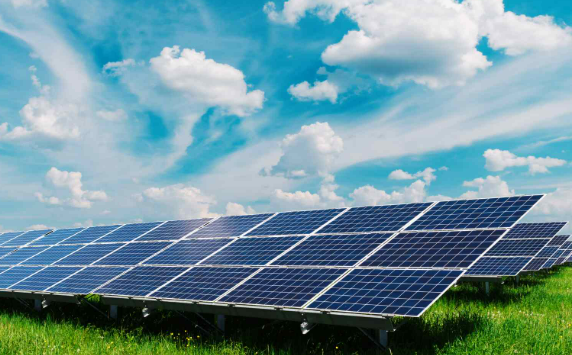
Global climate finance has topped $2 trillion a year, yet investment needs are far larger. Green bonds, blended finance and policy reform could mobilise trillions—but capital must reach projects and countries that need it most.
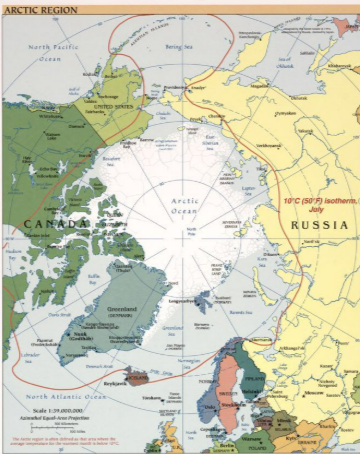
The Arctic is becoming a strategic centre for global security, shipping, energy, critical minerals and climate policy.

Water scarcity is becoming a global security concern as climate pressures, rising demand and shared rivers test economic resilience and international cooperation.

Semiconductor manufacturing has become a strategic source of economic influence. As chip demand rises and production remains concentrated, governments are investing to secure supply, attract factories and shape the future of technology.

Ukraine’s estimated US$587.7 billion recovery bill is testing Europe’s ability to finance rebuilding, manage war-related risks and attract private investment.
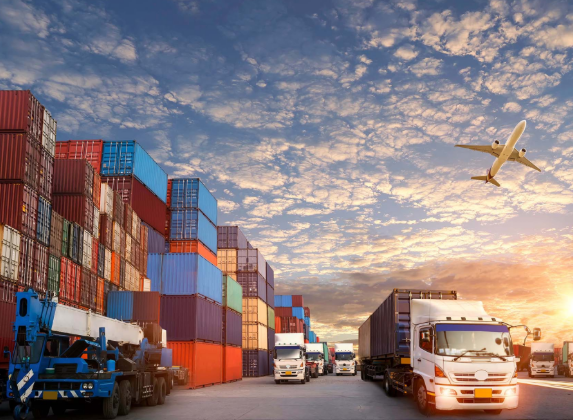
Global companies are redesigning supply chains as economic security, supplier diversity and resilience become more important than cost alone.
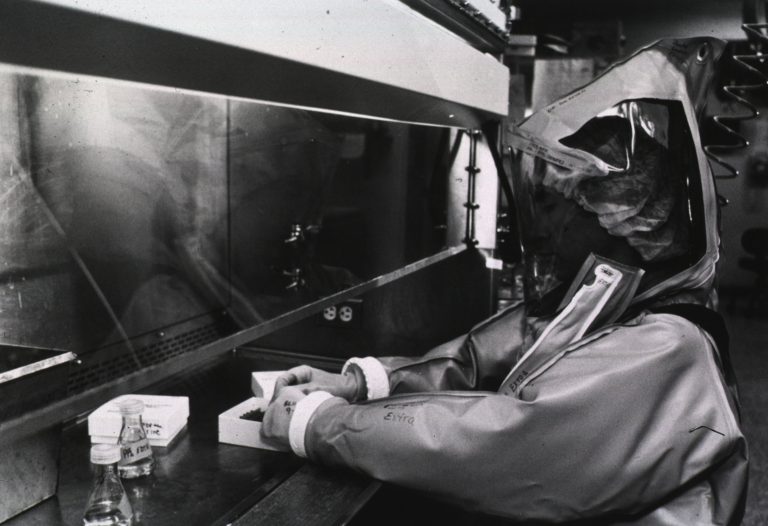
Emerging pathogens, antimicrobial resistance and uneven surveillance are testing whether health systems can detect outbreaks early and protect communities.