

The Semiconductor Power Shift: How Chip Manufacturing Is Changing Global Economic Influence
20 November 2026
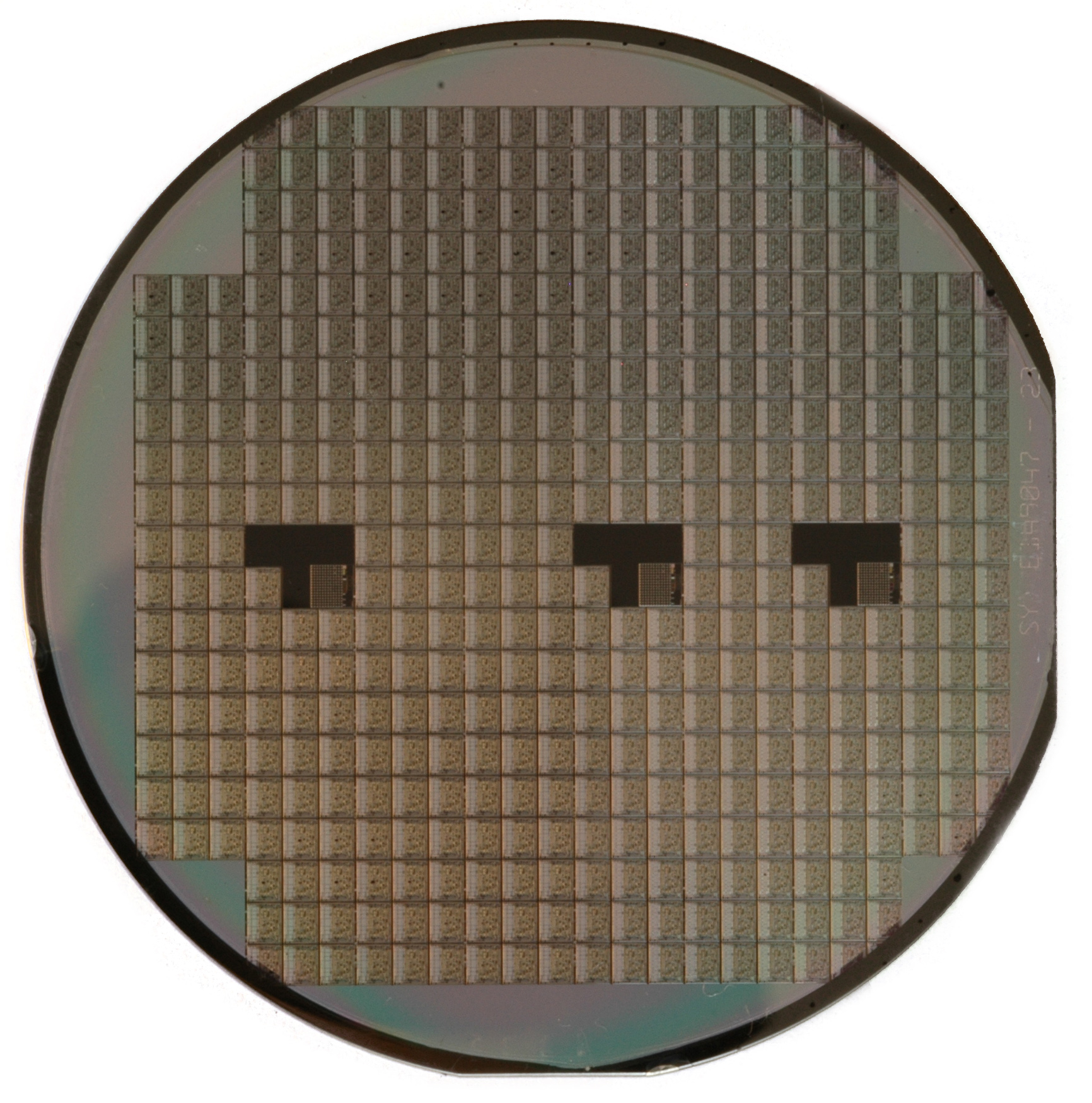
Semiconductor manufacturing has moved from the background of industrial policy to the centre of global economic competition. Chips power smartphones, cars, cloud computing, telecommunications networks and defence systems. As artificial intelligence expands demand for advanced processors and memory, the ability to design and manufacture semiconductors is becoming a source of influence over investment, trade and national security.
The central issue is not simply which country sells the most chips. It is where the most difficult production stages take place, who controls critical equipment and materials, and how quickly manufacturers can expand capacity. The global semiconductor supply chain is deeply interconnected, but its most important manufacturing capabilities remain concentrated in a relatively small number of economies. That concentration gives specialist producers considerable strategic importance while leaving customers exposed to disruption.
immigrationcases.org/.
Why semiconductor manufacturing matters to the global economy
A chip moves through design, wafer fabrication, packaging and testing before reaching a finished product. Different companies and economies specialise in different stages, so a chip may be designed in one country, fabricated in another and assembled into a device elsewhere.
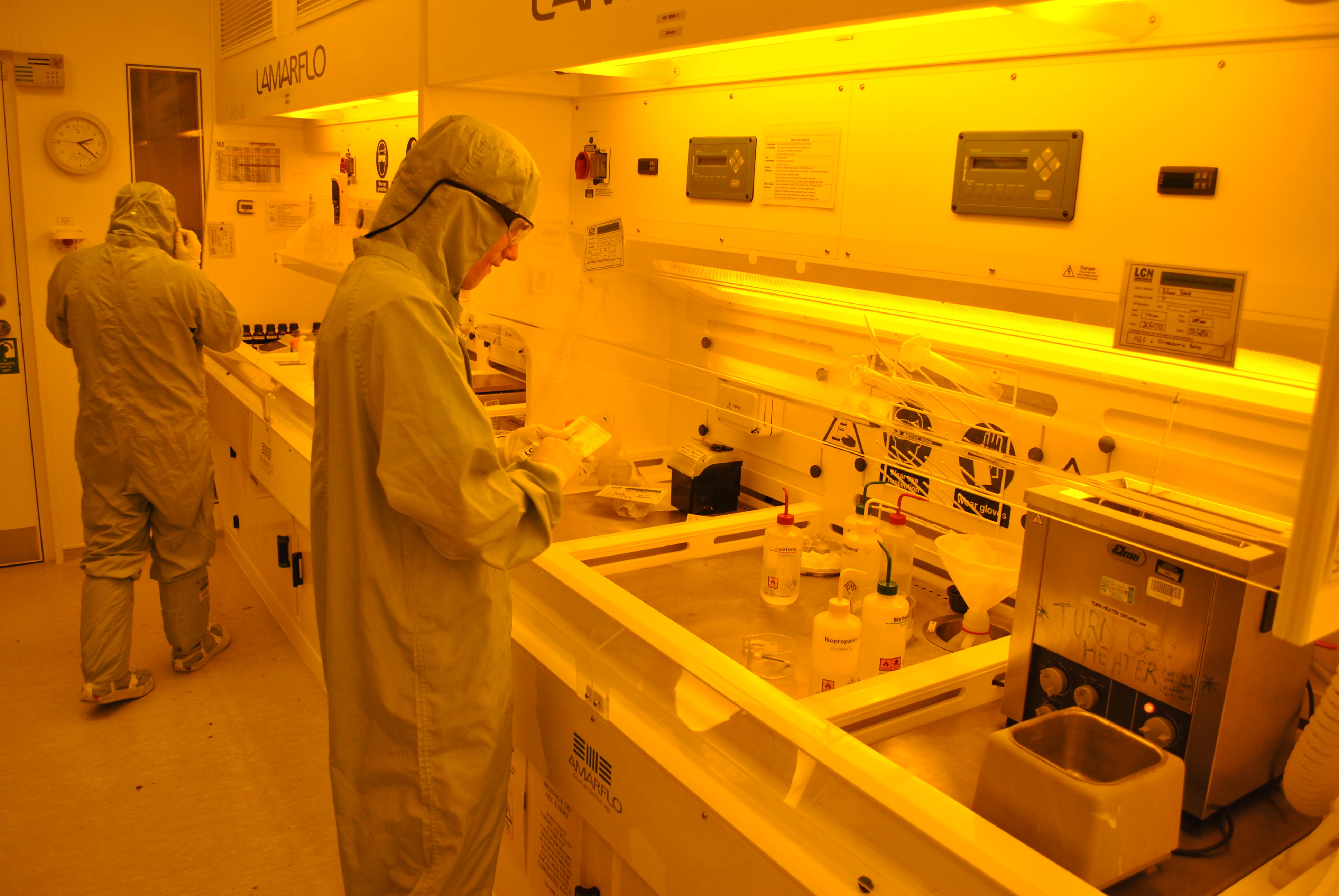
This division of labour has helped the industry become highly productive. It has also created dependencies that are difficult to replace quickly. A leading-edge fabrication plant, or fab, requires expensive equipment, specialised chemicals, ultra-pure water, reliable electricity and a large workforce with advanced technical skills. Building a facility is only the first step: manufacturers must qualify processes, achieve acceptable yields and secure customers before production can operate at scale.
The Organisation for Economic Co-operation and Development (OECD) mapped global wafer fabrication capacity in a 2025 policy paper. It found that China, Chinese Taipei, the Republic of Korea, Japan and the United States together account for nearly 90% of global capacity. The ten largest manufacturing companies account for around half of total global production capacity. The OECD also warned that production is not easily interchangeable: a fab designed for one type of chip cannot automatically switch to another.
The geography of chipmaking is becoming a strategic issue
East Asia’s central role
East Asia remains pivotal. Taiwan is especially important in advanced foundry manufacturing; South Korea is a major memory-chip producer; and Japan is important in materials, equipment and selected chip categories. China has expanded capacity, particularly in mature-node production, and continues to invest in its domestic industry.
This is not a single-country supply chain: each economy contributes capabilities that are difficult to reproduce. A natural disaster, power disruption or geopolitical crisis affecting a small number of key facilities could therefore disrupt companies far beyond the region.
The United States and Europe seek greater capacity
The United States is using industrial incentives, research support and trade controls to strengthen domestic production and protect access to advanced technologies. The European Union has adopted the European Chips Act to reinforce research, manufacturing and supply-chain resilience. In June 2026, the European Commission proposed a further Chips Act 2.0 initiative, reflecting concern that Europe remains dependent on external suppliers for some leading-edge chips.
Artificial intelligence is accelerating the investment race
AI is increasing demand for high-performance processors, high-bandwidth memory and advanced packaging. Large data centres need specialised chips as well as networking, power and cooling systems, shifting investment priorities across the industry.
SEMI reported in April 2026 that worldwide spending on equipment for 300-millimetre wafer fabs was expected to rise 18% to US$133 billion in 2026 and a further 14% to US$151 billion in 2027. The organisation linked the increase to AI-related demand, advanced-node production and efforts to build more localised supply chains. These are forecasts, not guaranteed outcomes, and actual spending will depend on market conditions and project execution.
Industry sales data also underline the scale of the expansion. The Semiconductor Industry Association reported that worldwide chip sales reached US$159.7 billion in August 2026, up 8% from July. It said cumulative global sales had passed US$1 trillion during the first eight months of the year. Strong sales do not automatically translate into equally strong profits for every producer, but they show how central chips have become to the digital economy.

Companies, technology and the economics of manufacturing
Manufacturing leadership depends on more than owning a factory. It also requires specialised equipment, materials, design software, intellectual property and advanced packaging. A small group of suppliers dominates some sophisticated tools, creating dependencies beyond the location of the fab itself.
Foundries such as Taiwan Semiconductor Manufacturing Company (TSMC) enable technology firms to design processors without owning leading-edge factories. In its 2025 annual report, TSMC said technologies at 7-nanometre and below generated 74% of wafer revenue; 3-nanometre technology represented 24%, while 2-nanometre technology entered high-volume manufacturing in the fourth quarter.
TSMC’s expansion plans illustrate the global nature of the investment race. The company described ongoing projects in Taiwan, the United States, Japan and Germany, while emphasising that its largest and most established manufacturing base remains in Taiwan. Such projects can diversify supply, but cannot quickly replicate an established cluster’s skills and supplier networks.
Trade controls and industrial policy reshape economic influence
Semiconductor technology has become a focus of national-security policy. The United States has imposed controls on exports of certain advanced computing chips and semiconductor manufacturing technologies, arguing that access to the most capable systems can have military and strategic implications. Such measures can influence where companies sell products, how they design supply chains and which markets receive the newest equipment.
Export controls create trade-offs. They may slow the transfer of sensitive technology, but can also encourage affected economies to develop domestic alternatives. Companies must navigate licensing and compliance as geopolitics shapes investment decisions.
Industrial subsidies create a different challenge. Public support can help attract factories and strengthen local ecosystems, but semiconductor projects are expensive and require years of planning. If several governments subsidise similar capacity at the same time, the industry could face duplicated investment, higher costs or excess capacity in some product categories. Strategic resilience therefore needs to be balanced against commercial discipline.
Economic consequences reach far beyond chipmakers
Semiconductors support automotive production, automation, telecommunications, consumer electronics and financial infrastructure. Shortages can delay vehicle deliveries, constrain factories and raise costs. New fabs, by contrast, can create skilled jobs, attract suppliers, stimulate research and strengthen regional technology clusters.
The benefits are not distributed evenly. Economies that host advanced manufacturing can gain investment, technical expertise and bargaining power. Countries without strong domestic capabilities may remain dependent on imported chips and equipment, even if their companies are major consumers. For developing industrial economies, the opportunity may lie in specialised materials, assembly, testing, packaging, equipment components or workforce development rather than immediately competing in the most advanced fabrication nodes.
Energy and water are also becoming central economic considerations. Fabs operate continuously and require stable electricity, precise temperature control and large quantities of ultra-pure water. As more facilities are built, governments must consider grid capacity, water management, environmental standards and the availability of trained engineers. These requirements can determine whether an announced investment becomes a productive industrial asset.
Challenges and the outlook for the next decade
The industry faces rising production costs, shortages of skilled workers, geopolitical risks to cross-border flows and cyclical demand. Periods of rapid expansion can be followed by inventory corrections and weaker prices, making investment timing difficult.
Geographic diversification can reduce some risks, but it cannot eliminate them. New factories need specialised suppliers, experienced operators and customers willing to qualify products. The OECD’s analysis highlights why capacity figures alone are not enough: policymakers also need to understand which facilities produce which technologies and how easily output can be substituted during a disruption.
Over the coming decade, the most influential economies may be those that combine manufacturing capacity with research, equipment access, reliable infrastructure, talent and strong commercial partnerships. No single country is likely to control every stage of the semiconductor chain. Cooperation among allies and trading partners will remain important, even as governments compete to secure strategic capabilities.
Conclusion: chip manufacturing is becoming a measure of economic power
The semiconductor power shift is not simply a race to build more factories. It is a contest over technology, specialised knowledge, supply-chain resilience and the ability to support industries that depend on advanced computing. The concentration of wafer capacity in a small group of economies gives the industry enormous economic significance and exposes the global system to bottlenecks.
Governments will continue to invest in domestic capabilities, while companies balance cost, scale and geopolitical risk. The most durable advantage will likely come from building productive ecosystems rather than pursuing self-sufficiency at any price. As AI, automation and digital infrastructure expand, semiconductor manufacturing will remain one of the clearest indicators of how economic influence is changing around the world.
Next article :
– Global Health Systems Face New Challenges From Emerging Infectious Diseases
– Global Supply Chains Are Being Rebuilt Around Economic Security Rather Than Low Costs
– Ukraine’s Reconstruction Could Become One of Europe’s Biggest Investment Challenges